
What Are Lewy Bodies?
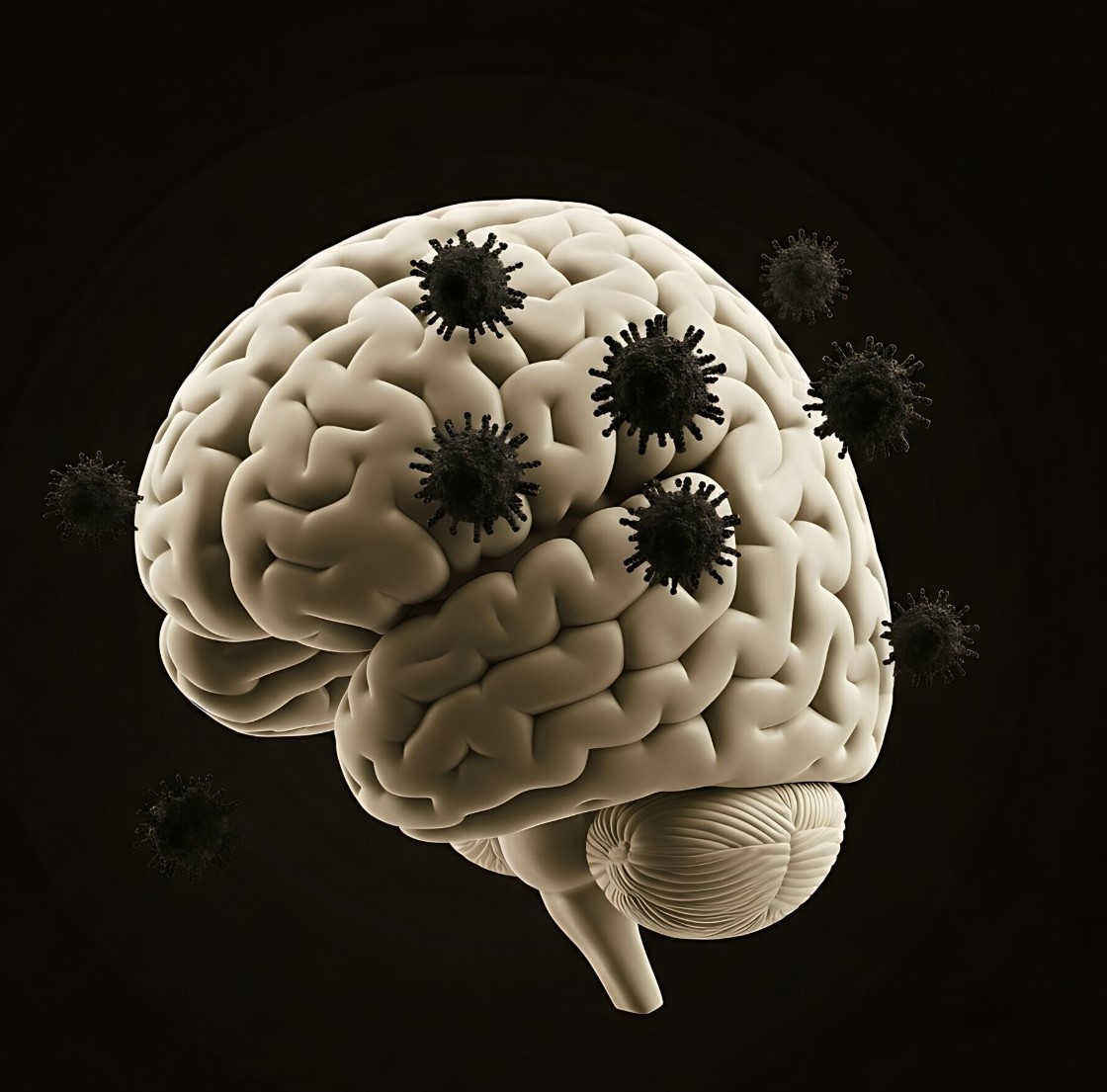
Lewy bodies are abnormal clumps of protein that form inside nerve cells in the brain. These clumps are mainly made of a protein called alpha-synuclein.
Under normal conditions, alpha-synuclein plays a role in communication between neurons. In Parkinson’s disease, however, the protein misfolds and begins to stick together. Over time, these misfolded proteins accumulate and form the dense structures known as Lewy bodies.
Researchers can see Lewy bodies under a microscope during brain tissue examination.
Where Lewy Bodies Form
In Parkinson’s disease, Lewy bodies are most commonly found in a brain region called the substantia nigra. This area is responsible for producing dopamine, a neurotransmitter that helps control movement.
As Lewy bodies build up in dopamine-producing neurons, those cells gradually become damaged and eventually die. The loss of dopamine leads to the movement problems associated with Parkinson’s disease.
As the disease progresses, Lewy bodies may also appear in other parts of the brain. When this happens, patients may experience additional symptoms such as:
- Cognitive decline
- Sleep disturbances
- Mood changes
- Autonomic nervous system problems
How Lewy Bodies Affect Brain Cells
Lewy bodies interfere with normal cell function in several ways. They disrupt important cellular processes, including protein recycling and energy production. They may also impair communication between neurons.
Over time, the stress caused by these disruptions contributes to neuronal degeneration. This progressive loss of brain cells is what drives the worsening of Parkinson’s symptoms.
Lewy Bodies and Diagnosis
The presence of Lewy bodies is considered a hallmark feature of Parkinson’s disease. However, they cannot currently be detected with certainty in living patients. A definitive confirmation usually requires examination of brain tissue after death.
Doctors instead diagnose Parkinson’s disease based on clinical symptoms, neurological examinations, and response to medications such as levodopa.
Researchers are actively working to develop imaging techniques and biomarkers that could detect Lewy body pathology earlier in the disease process.
Lewy Bodies in Related Disorders
Lewy bodies are not unique to Parkinson’s disease. They also appear in other neurological conditions, including dementia with Lewy bodies and Parkinson’s disease dementia.
These disorders fall under a broader category called Lewy body diseases. The difference between them largely depends on when cognitive symptoms appear relative to movement symptoms.
Why Lewy Bodies Matter for Research
Studying Lewy bodies has become a major focus in Parkinson’s research. Scientists are investigating why alpha-synuclein misfolds, how Lewy bodies spread through the brain, and whether stopping this process could slow or prevent the disease.
Potential therapies under investigation include drugs that reduce alpha-synuclein buildup, improve protein clearance, or protect vulnerable neurons.
Although there is currently no cure for Parkinson’s disease, advances in understanding Lewy body formation are bringing researchers closer to more effective treatments.
Final Thoughts
Lewy bodies are a central feature of Parkinson’s disease at the cellular level. These protein accumulations disrupt normal brain function and contribute to the progressive loss of dopamine-producing neurons.
While much remains to be discovered, ongoing research into Lewy bodies and alpha-synuclein is helping scientists better understand the disease and develop new strategies for treatment and early detection.