
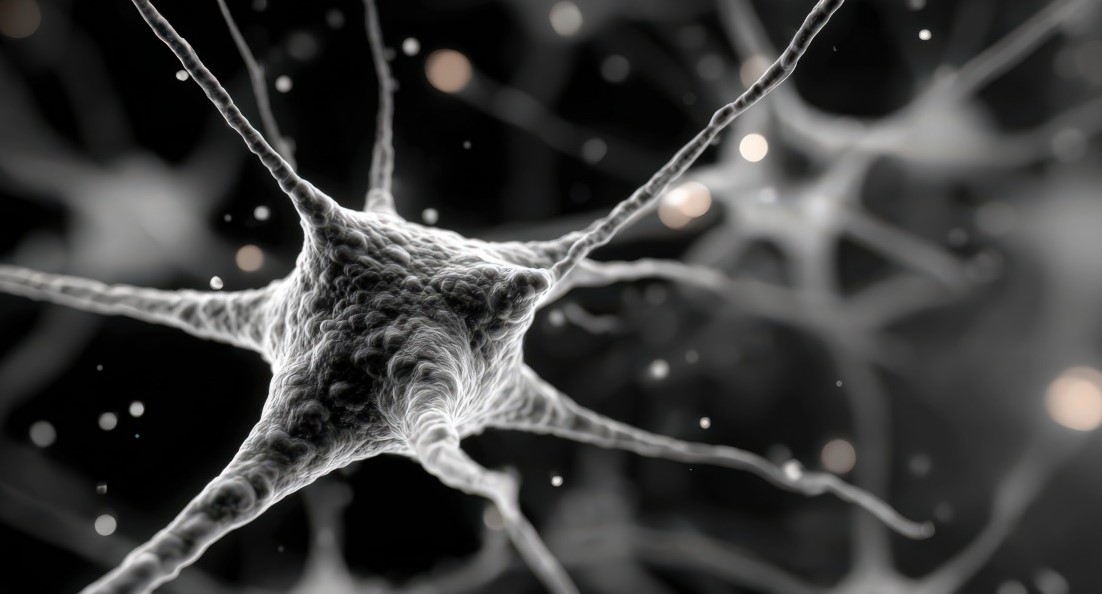
Parkinson’s disease is often described as a movement disorder, but at its core it is a neurodegenerative condition. That means it involves the gradual loss of nerve cells in the brain. These changes begin years before symptoms appear and continue to progress over time.
Understanding how neurodegeneration works in Parkinson’s can help patients, caregivers, and families better grasp why symptoms develop and how the disease evolves.
What Is Neurodegeneration?
Neurodegeneration refers to the progressive damage or death of neurons, the cells that transmit signals in the brain and nervous system. Once these cells are lost, the brain cannot easily replace them.
In Parkinson’s disease, neurodegeneration affects specific brain regions first, then spreads more widely as the disease progresses. This ongoing cell loss is responsible for both motor and non-motor symptoms.
The Role of Dopamine
One of the defining features of Parkinson’s is the loss of dopamine-producing neurons in a region of the brain called the substantia nigra. Dopamine is a chemical messenger that helps coordinate smooth, controlled movement.
As dopamine levels decline, the brain struggles to regulate movement efficiently. This leads to symptoms such as:
Tremor
Muscle stiffness
Slowed movement
Balance and posture problems
By the time motor symptoms appear, a significant number of dopamine-producing neurons have already been lost.
Beyond Movement: Widespread Brain Changes
Parkinson’s neurodegeneration does not stop with dopamine loss. Over time, other brain systems become involved.
This helps explain non-motor symptoms such as:
Sleep disturbances
Depression and anxiety
Cognitive changes
Autonomic dysfunction, including blood pressure and digestion issues
Sensory changes, such as reduced sense of smell
These symptoms can appear early, sometimes even before movement problems begin.
Alpha-Synuclein and Lewy Bodies
A key hallmark of Parkinson’s neurodegeneration is the abnormal buildup of a protein called alpha-synuclein. In Parkinson’s disease, this protein misfolds and clumps together inside neurons, forming structures known as Lewy bodies.
Lewy bodies interfere with normal cell function and are believed to contribute to neuron death. Over time, these protein aggregates spread to different parts of the brain, paralleling the progression of symptoms.
How Neurodegeneration Progresses
Parkinson’s disease usually progresses slowly, but the rate varies widely from person to person. Early stages may involve subtle changes such as reduced facial expression, mild stiffness, or a softer voice.
As neurodegeneration advances, symptoms often become more complex and harder to manage. Both motor and cognitive challenges may increase, requiring adjustments in treatment and daily routines.
Importantly, progression is not always linear. Symptoms can fluctuate, and periods of stability are common.
Why Parkinson’s Develops
The exact cause of Parkinson’s neurodegeneration is still not fully understood. Research suggests it involves a combination of factors, including:
Genetic susceptibility
Environmental exposures
Mitochondrial dysfunction
Inflammation in the brain
For most people, Parkinson’s is not caused by a single factor but by the interaction of many influences over time.
Can Neurodegeneration Be Slowed?
Currently, there is no cure for Parkinson’s disease and no proven way to stop neurodegeneration entirely. Most treatments focus on managing symptoms by replacing or mimicking dopamine.
However, research into disease-modifying therapies is ongoing. Scientists are exploring treatments aimed at:
Reducing alpha-synuclein buildup
Protecting neurons from damage
Reducing inflammation
Supporting mitochondrial health
Lifestyle factors such as regular exercise, good sleep, and social engagement are also associated with better outcomes and may support overall brain health.
Living With a Neurodegenerative Condition
A diagnosis of Parkinson’s can feel overwhelming, especially when neurodegeneration is part of the conversation. While the disease is progressive, many people live full, active lives for years after diagnosis.
Education, early planning, and a strong healthcare team make a meaningful difference. Support from family, friends, and Parkinson’s communities can also help individuals adapt as needs change.
Looking Ahead
Neurodegeneration is central to Parkinson’s disease, but it is not the whole story. Ongoing research continues to uncover new insights into how and why neurons are lost, bringing hope for more effective treatments in the future.
Understanding the biological changes behind Parkinson’s empowers patients and caregivers to make informed decisions and approach the disease with knowledge rather than fear.